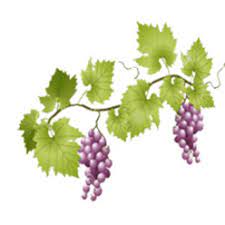
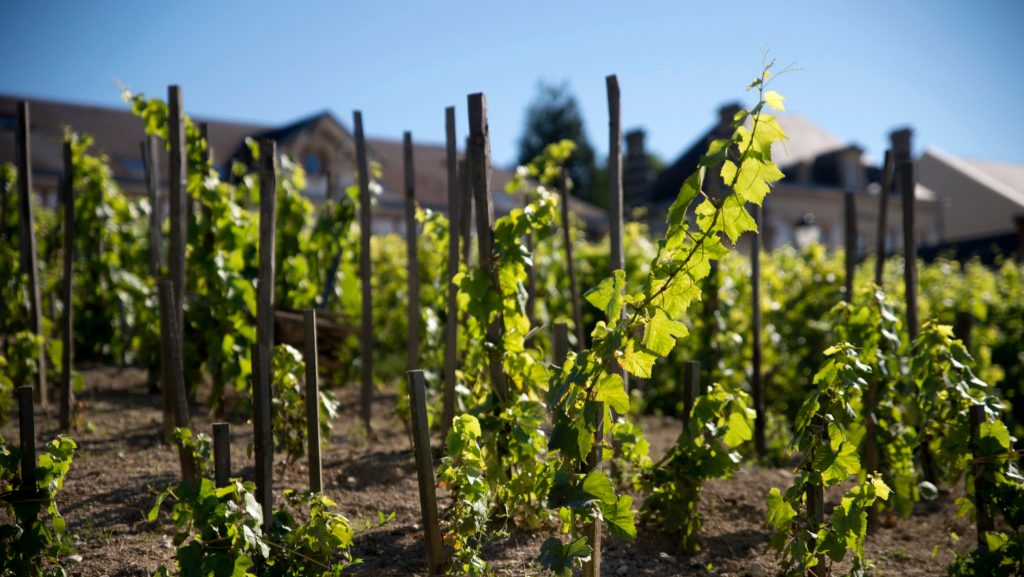
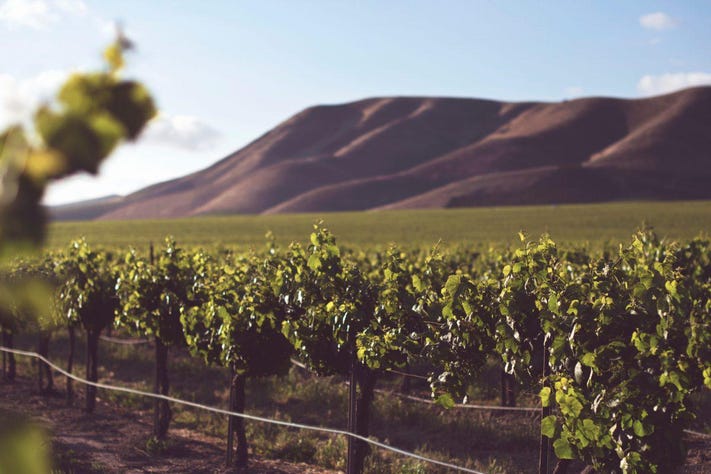
Grafting is the delicate process of connecting two varieties to achieve a plant that produces the fruit and above ground growth of the one variety, for example Chardonnay, with the root system of the other. Grafting is done for one, or a combination of the following 3 reasons. First, the desired variety has a root system that is unable to tolerate the soil due to insects like Phyloxera and Nematodes, as well as tolerance to poorly drained soils, pH issues, and salinity. The Second reason is resistance to virus transmission from weeds to the grapevine by nematodes. And the Third reason is to control vine size, by using low, moderate, or high vigor rootstocks to maintain a vine size that it is appropriate for the planting density and training system being used.
The party bus in Rochester, New York, is the perfect way to see the city, and this service is affordable, safe, and convenient. Here are some of the reasons you should rent one. A party bus is a great way to celebrate any occasion with friends or family. You’ll be able to ride in a luxurious vehicle and get some much needed rest. Whether you’re planning a bachelorette party, a birthday party, or just a fun night out, a Rochester party bus is a perfect option.
Renting a party bus in Rochester is a great way to see the city
Whether you’re a college student looking to see the sights or an adult looking for an adventure, renting a party bus in Rochester is the perfect option. A party bus Rochester, NY can take your group anywhere you want to go, and is the perfect way to see the city in style and comfort. You can relax and enjoy the ride while playing video games or singing karaoke. Whether you’re looking to celebrate a bachelor or bachelorette party or are just visiting the city with your friends, renting a party bus is the perfect way to go!
It’s affordable
Whether you’re hosting a bachelor party or a hen or stag do, it’s affordable to rent a Rochester party bus to transport your guests in style. Rochester party bus rates depend on the number of people you’re transporting and the vehicle type. Your rental period also determines your rates, so you should plan accordingly. Also, remember that if you’re hiring a party bus for a long-term event, you can get discounts on the day of your event.
It’s safe
If you are planning a night on the town, it is always safe to rent a party bus for the evening. Rochester has plenty of attractions to see, which you can explore safely in a party bus. The Finger Lakes Wine Country is home to breweries, restaurants, and markets. A party bus rental Rochester NY allows you to have a full day or night of fun. With its large, comfortable interior, it is a great choice for a night out.
It’s convenient
If you’re planning to rent a limo or party bus for your next special event, it’s important to consider the number of passengers you’ll need. Rochester party buses can comfortably seat fourteen to fifty people. They’re also available for airport transportation. Rochester party bus rental rates vary, depending on the number of passengers, destination, and length of rental. Some rental companies offer daily discounts and even include pick-up and drop-off in the rate.
It’s fun
If you want to make a night out of your next NYC event, consider renting a party bus. You can have a fun and safe ride, without worrying about where your guests will sit. You can have a drink and play a game while waiting for the bus. The ride-sharing programs have limited space, so you may not be able to reserve a larger vehicle. But renting a party bus is the best option.
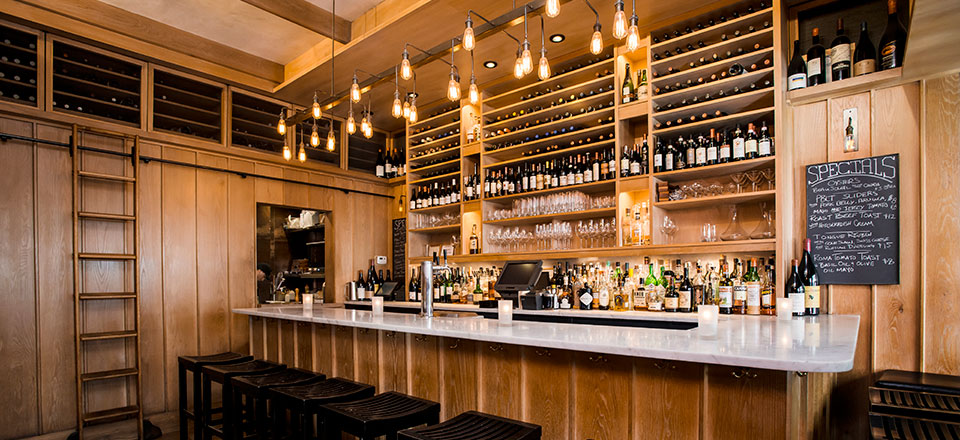
If you’re in the mood for a glass of wine, head to an uptown wine bar. Many of the city’s top wine bars serve well priced bottles under $50. Check out BLVD for a by-the-glass selection, but if you’re looking for a more serious wine experience, head to City Vineyard or Lelabar. We’ve reviewed many of these spots and more to help you make the best decision when it comes to choosing a wine bar in NYC.
One19 Wine Bar
For an Italian-inspired dining experience in NYC, try One19 Wine Bar+Food on the Lower East Side. This restaurant serves Italian-inspired cuisine, from cicchetti snacks to fancy french bread pizzas. You can also find charcuterie and cheese – and even vegan cheese! – along with tapas-style plates, entrees, and desserts. You can try all of these delicious dishes and enjoy a glass of wine while you eat! It is an experience you won’t soon forget.
Cherry On Top
A New York City designer is bringing a Parisian-inspired theme to a new wine bar. Cerise Zelenetz has designed menus and logos for several restaurants in the city, including Ernesto’s, Sami and Susu, and Oddfellows Ice Cream. Her new project, Cherry On Top, will serve wines and food in a bar modeled after a famous Parisian all-day café.
City Vineyard
The newest addition to the city’s dining scene is the City Vineyard, NY wine house. Opened by the City Winery, this spin-off has a rooftop deck that offers simple American fare and city views. The wine house itself is a short walk from Times Square. The winery has been an institution for over a century, so you can expect to enjoy a full-fledged wine tasting experience while dining in its cozy, upscale space.
Lelabar
Lelabar NY wine house is a neighborhood hangout with a fine selection of wines. A cozy, lilting space on Hudson Street, Lelabar is a cozy place with just a few tables around the bar. The wine list contains 200 different wines, carefully selected by passionate wine experts. They feature French, Italian and New World wines and even a few collector’s items. The sommeliers are available to help you choose the perfect vintage for your palate.
Brooklyn Navy Yard
One of the most unique rooftops in the city is Rooftop Reds, the Brooklyn Navy Yard’s only commercial vineyard. Visitors can sip wine in a romantic, rooftop setting or play cornhole. There are also hammocks and a spectacular view of Manhattan. The wine tasting event and the restaurant are pending approval from several city agencies. The wine house is reserved for special events, so you can make a reservation before going.
The United States has many great wine regions, from the sun-drenched valleys of northern California to the cool-climate varieties of the Niagara Escarpment. There are even a few hidden gems like Palisade in Colorado, and visiting a winery is always a good idea. This article outlines some of the best options for your trip. You’ll have a chance to taste and compare the wines of each region.
Croteaux Vineyards in Southhold, New York
After a year-long closure, Croteaux Vineyards in Southold, New York, has reopened its tasting room. It is open seven days a week. The winery has new owners, New Jersey financier Randy Frankel, who owns the Menhaden hotel in Greenport. He intends to preserve the character of the former Southold winery. Frankel’s new partnership includes Kristen and Daniel Pennessi, owners of the Menhaden in Greenport.
Tank Garage in Albuquerque
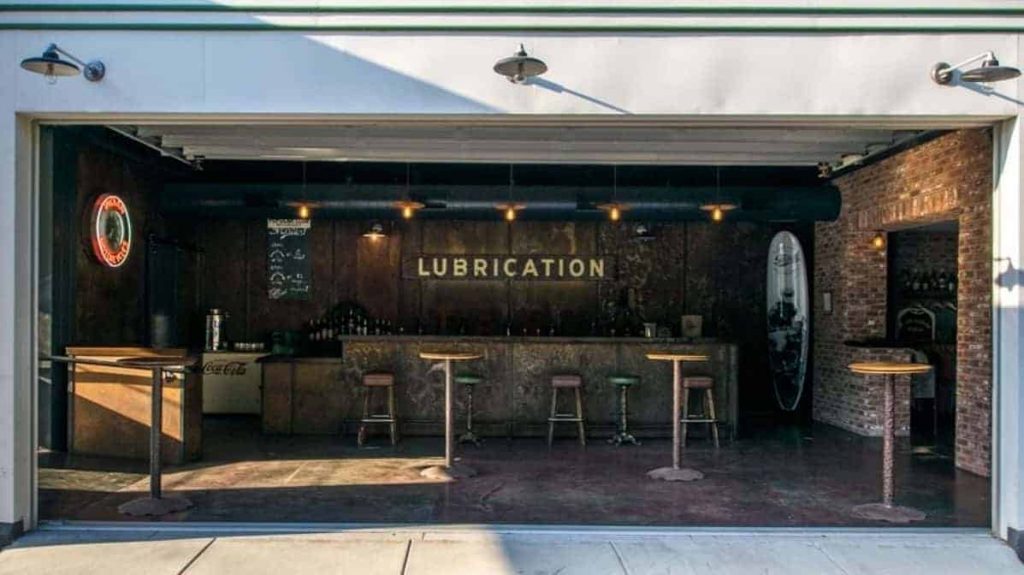
If you’ve never been to New Mexico, it’s time to make the trip. The best wineries in the United States are not necessarily those located in the wine-producing regions. You’ll find plenty of examples of local wines in New Mexico. A good winery will offer a variety of wines for tasting. A winery’s style can be described as authentic, relevant, and engaging.
Chateau St. Jean in Sonoma Valley
One of the most beautiful wineries in the country, Chateau St. Jean is located in Sonoma Valley, California. Established in 1973, this historic winery was the first winery in the state to produce the Sonoma County Wine of the Year. Located on Sugarloaf Ridge, the estate features elegant gardens and a demonstration vineyard. Visitors can sample its signature wines, or opt to purchase a bottle or two.
Sanford & Benedict in Santa Barbara
If you’re a fan of Pinot Noir, Sanford & Benedict is a must-visit stop. The winery is home to two vineyards in the Sta. Rita Hills, making its Pinot Noir the crown jewel of this young Santa Barbara wine region. The vineyard is surrounded by the La Rinconada Vineyard and adjoining Sanford & Benedict Vineyard, and is the oldest in the appellation. The wines are wonderfully aromatic and full of classic Burgundian flavors.
Corrales Winery in Albuquerque
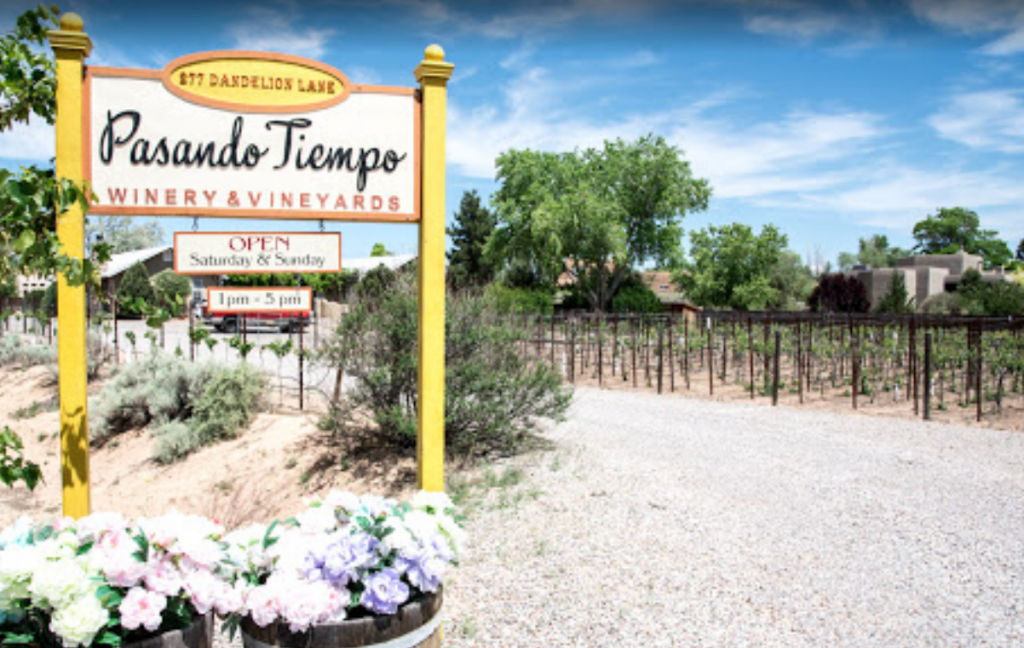
Visit Corrales Winery for award-winning wines from the grapes grown in New Mexico. Corrales’ wines range from dry white to red, and feature Spanish and Argentinian varietals. Visit the historic winery, where you can sample the wines and check out some local arts and crafts. If you love wine, consider visiting one of New Mexico’s oldest wine growing regions.
Fireside Winery in Marengo, Iowa
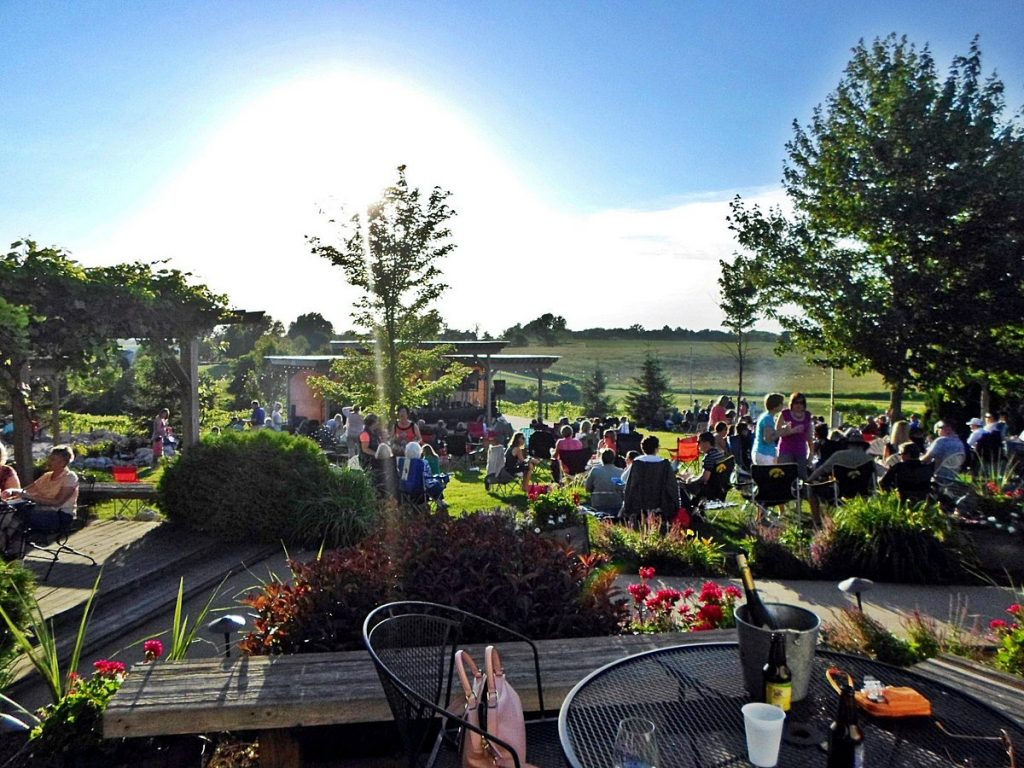
The Fireside Winery is situated in Marengo, Iowa. The winery has four tasting rooms throughout the state. In addition, there are attractions like the Amana Colonies and Tanger Outlets. While the winery is a popular destination, you can also visit the other attractions in Marengo. You can read about our visit to the Winery here. If you’re planning a trip to Iowa, don’t forget to check out our guide to the state’s wineries.
Natchez Hills Vineyard in Tennessee
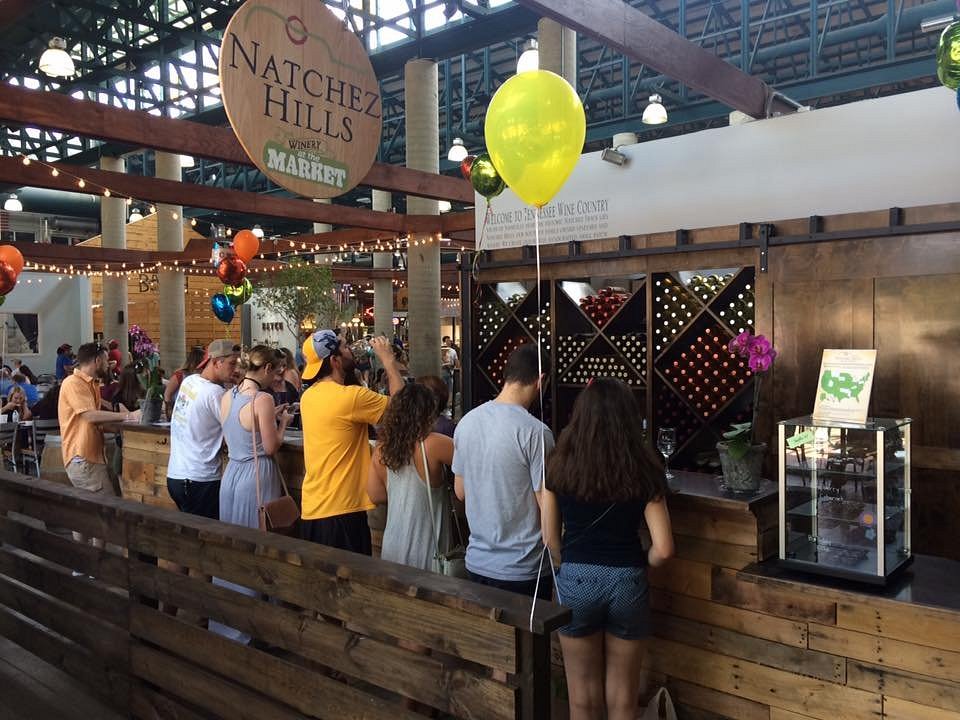
If you are looking for an experience that is both unique and exciting, a trip to Natchez Hills Vineyard in Tennessee is a must. It is a small, family-owned winery in the heart of Middle Tennessee, near the historic Natchez Trace. Wineries like Natchez Hills are known for their small-batch old-world style wines, which are produced using traditional methods. This vineyard offers a unique blend of southern culture and European old-world charm.
Sanford & Benedict in Albuquerque
Sanford & Benedict in Albuquerque
In 1971, Sanford Winery planted one of the pioneering vineyards in Santa Barbara’s cool climate AVA. Through cuttings, they expanded to neighboring vineyards in the region. Today, the Albuquerque winery grows more than 100 varieties of wines, including some local varietals. The Albuquerque location also features a beautiful winery and a restaurant.
Grape wines are beneficial for the human body, according to recent medical findings. Studies show that a moderate intake of wine lowers the risk of coronary heart disease, stroke, and cardiovascular disease. The benefits of grape wine are well-known to consumers around the world. Read on to learn more about this healthy beverage. But first, let’s review the various types of grape wines. What’s the difference between Concord grapes and Ice wine? How do you determine which is better?
Vitis vinifera
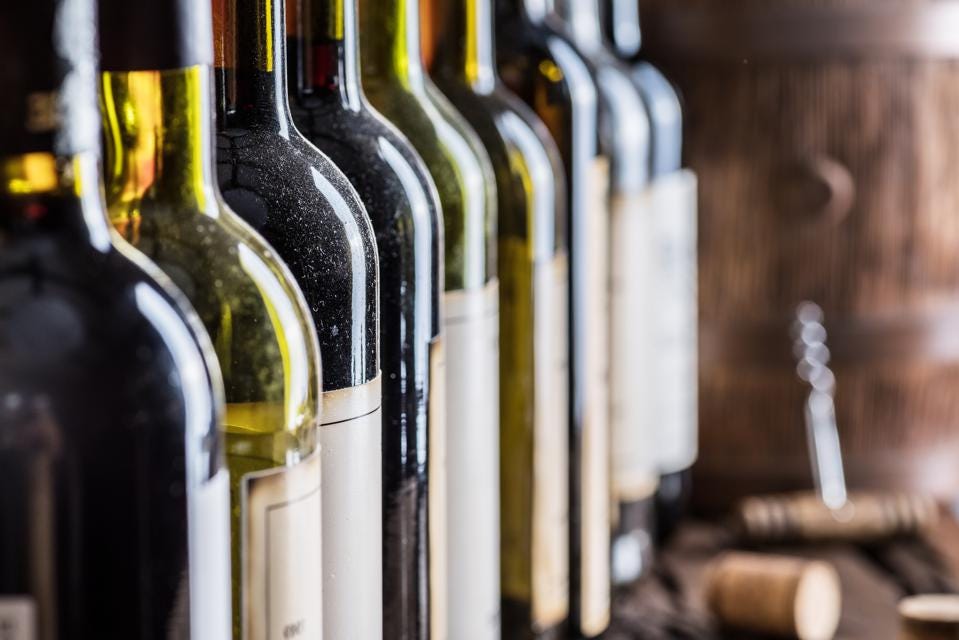
Wine is made from the grapevine, Vitis vinifera. There are over 1,000 different grape varieties. These modern varieties have been developed by crossing pre-existing varieties, which is how we got Pinot Noir and Riesling today. Many wine regions, such as the Middle East, cultivated grapevines and grew them in the New World. Each grape variety has a distinct flavor and is used to make wines. Examples of popular varieties are Chardonnay, Cabernet Sauvignon, and Riesling.
In France, viticulture was primarily based on V. vinifera, and many of today’s popular grapes were developed after deliberate crosses. For example, the Petite Sirah is widely believed to be a descendant of Durif, but it was likely developed from a seedling of Peloursin x Syrah planted around 1880. Cabernet Sauvignon and Syrah are both the result of deliberate crosses.
Concord grapes
The best time to harvest Concord grapes for making grape wine is during the fall. Concord grapes have a deep purple to dark blue skin. They are easy to separate from the grape. They have a mild, grapey flavor that is similar to that of a soda pop, but with a slightly musky and floral note. This grape variety is part of the Vitis labrusca grape family and is also known as the slip-skin grape, fox grape, skunk, and fox grape.
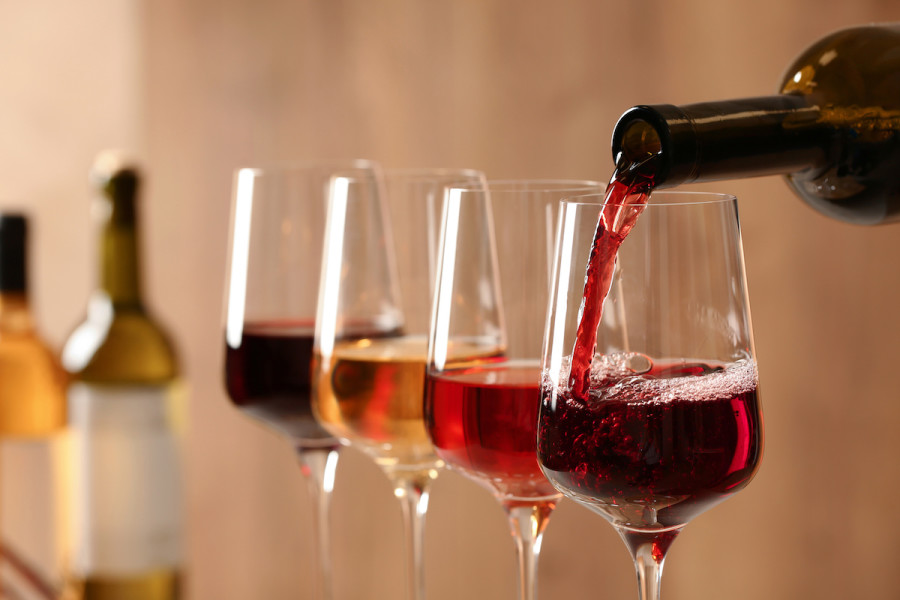
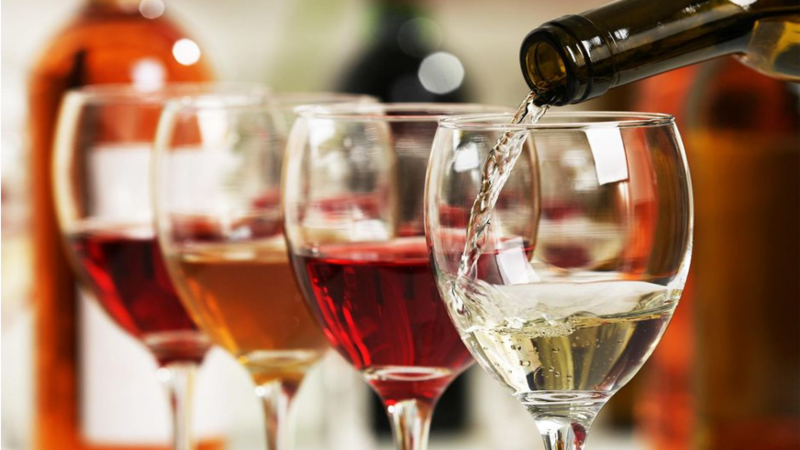
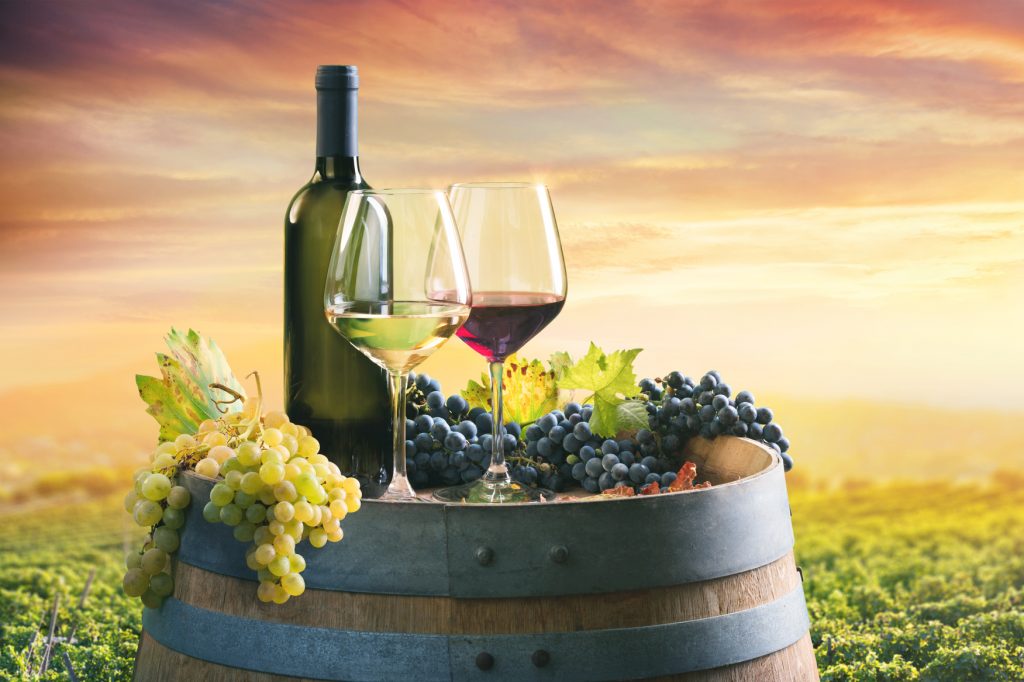
Wine Glasses And Bottle With Barrel In Vineyard At Sunset
The newest campaign aims to increase public awareness of the benefits of Concord grapes in grape wines. New York State’s Department of Agriculture and Markets and the New York Wine & Grape Foundation have partnered to launch social media advertising campaigns. The campaign is part of the Specialty Crop Block Grant, which was announced by Governor Cuomo following the summit. The campaign is one of several steps the state is taking to boost the Concord grape industry. The funds will support research and new product development, and expand marketing and educational programs to promote Concord grapes in grape wines.
Ice wine
Ice wine grape wine is a special wine made from frozen grapes. Grapes are de-stemmed and pressed while frozen to remove most of the water. Only a very small amount of concentrated juice is produced, compared to table wines. The juice is highly sweet, and the high sugar content prevents the yeast from converting it to alcohol. Therefore, the wine’s alcohol content cannot exceed 12%. Fermentation is stopped at this stage.
The process of making Ice Wine is not simple, but the end result is delicious. The wine is sweet because sugars and dissolved solids do not freeze. It is a perfect gift for a sweet tooth! However, this unique wine is a little expensive. To find the perfect bottle of Ice Wine, first visit a specialty store or a local vineyard and taste samples. There, you can find many brands of this wine online.